
Introduction
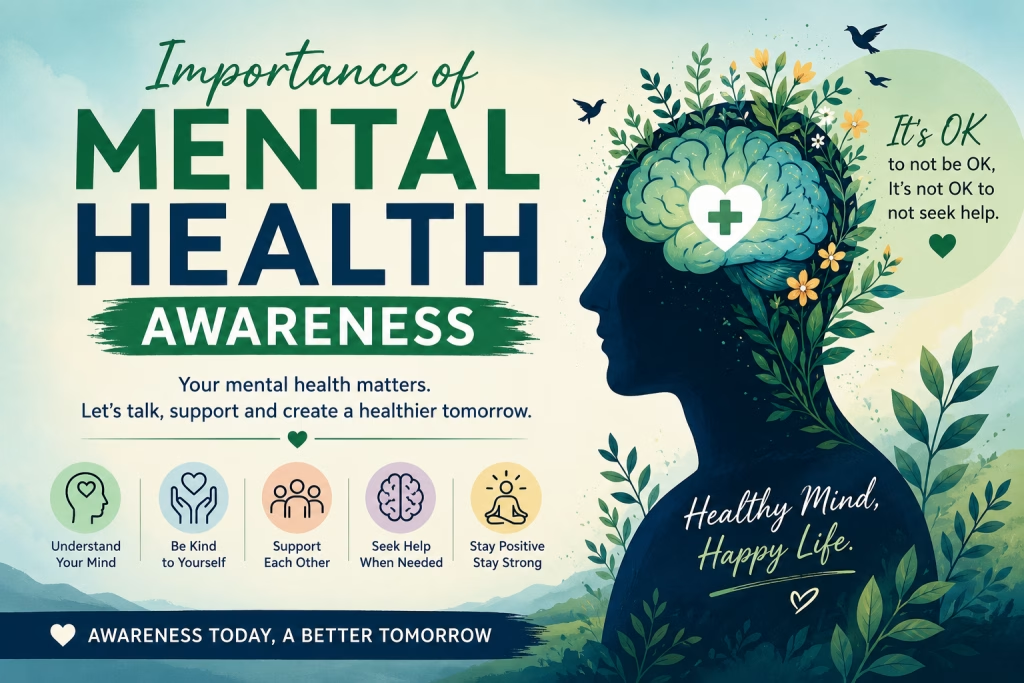
In today’s fast-paced world, people often focus on their physical health while overlooking an equally important aspect of their well-being—mental health. It affects how we think, feel, act, and handle daily challenges. It plays a crucial role in our relationships, and overall quality of life. As awareness about it grows, more individuals are recognising the importance of maintaining emotional and psychological well-being.
Its awareness is essential because it helps people understand mental health conditions, reduce stigma, encourage early intervention, and promote a healthier society. By educating ourselves and others, we can create an environment where individuals feel comfortable seeking help and discussing their mentaly health without fear of judgement.
What is Psychological Well-being?
It refers to a person’s emotional, psychological, and social well-being. It influences how people cope with stress, interact with others, and make decisions. Good mental health does not mean a person is always happy; rather, it means they can effectively manage life’s ups and downs while maintaining emotional balance.
It is important at every stage of life, from childhood and adolescence to adulthood and old age. Factors such as genetics, life experiences, trauma, social environment, and physical health can all impact an individual’s mental well-being.
Why Emotional Balance Awareness Matters
1. Reduces Stigma and Discrimination
One of the biggest challenges surrounding mental health is stigma. Many people hesitate to discuss their struggles because they fear being judged or misunderstood. Its awareness helps break down these barriers by educating the public about common mental health conditions and encouraging empathy.
When society becomes more informed about it , individuals are more likely to seek support and treatment without feeling ashamed. Reducing stigma creates a supportive environment where people can openly talk about their experiences.
2. Encourages Early Detection and Treatment
Its awareness plays a significant role in identifying symptoms early. Just like physical illnesses, It conditions can worsen if left untreated. Awareness helps individuals recognise warning signs such as persistent sadness, anxiety, mood changes, sleep disturbances, or difficulty concentrating.
Early intervention can improve outcomes and prevent conditions from becoming more severe. The sooner a person receives professional help, the better their chances of recovery and long-term well-being.
3. Promotes Better Overall Health
Mental health and physical health are closely connected. Poor mental health can contribute to physical health problems such as heart disease, weakened immunity, and chronic pain. Similarly, physical illnesses can negatively affect It .
By prioritising It , individuals can improve their overall quality of life. Healthy habits such as regular exercise, balanced nutrition, sufficient sleep, and stress management benefit both the mind and body.
4. Improves Relationships
Strong relationships are essential for emotional well-being. It enables individuals to communicate effectively, build trust, and maintain healthy connections with family, friends, and colleagues.
Its awareness encourages people to understand emotional challenges and support loved ones who may be struggling. Open communication can strengthen relationships and create a more compassionate community.
Common Psychological Well-being Challenges
Many people experience its challenges at some point in their lives. Some common conditions include:
Anxiety Disorders
Anxiety involves excessive worry, fear, or nervousness that interferes with daily activities. It is one of the most common conditions worldwide.
Depression
Depression is more than temporary sadness. It is a serious condition that affects mood, energy levels, motivation, and daily functioning.
Stress
While some stress is normal, chronic stress can negatively impact both mental and physical health. Effective stress management is essential for maintaining emotional well-being.
Burnout
Burnout often results from prolonged workplace stress and can lead to emotional exhaustion, reduced productivity, and feelings of detachment.
Understanding these conditions helps individuals recognise symptoms and seek appropriate support when needed.
The Role of Education in Psychological Well-being Awareness
Education is a powerful tool for improving its awareness. Schools, workplaces, healthcare organisations, and communities can all contribute by providing accurate information and resources.
Its education helps people:
- Recognise symptoms of Its conditions.
- Learn healthy coping strategies.
- Understand the importance of seeking professional help.
- Support friends and family members experiencing difficulties.
- Challenge misconceptions and stereotypes.
When people are educated about it , they become better equipped to manage their own well-being and support others.
Emotional Wellness in the Workplace
Workplaces play a vital role in promoting its awareness. Employees who experience positive of it are generally more productive, engaged, and satisfied with their jobs.
Organisations can support it by:
- Creating a supportive work environment.
- Encouraging open conversations about it.
- Providing access to counselling and wellness programmes.
- Promoting work-life balance.
- Reducing workplace stress where possible.
A mentally healthy workplace benefits both employees and employers by improving morale, reducing absenteeism, and enhancing productivity.
Ways to Improve Emotional Wellness
Everyone can take steps to support their Condition. Some effective strategies include:
Practice Self-Care
Taking time for activities that promote relaxation and enjoyment can improve emotional well-being. Examples include reading, exercising, meditating, or spending time in nature.
Stay Connected
Maintaining strong social connections can provide emotional support during difficult times. Talking with trusted friends or family members can reduce feelings of loneliness and stress.
Get Regular Exercise
Physical activity releases endorphins that help improve mood and reduce anxiety. Even a short daily walk can have positive effects on mental health.
Seek Professional Help
Mental health professionals such as therapists, counsellors, and psychologists can provide guidance and treatment when needed. Seeking help is a sign of strength, not weakness.
Manage Stress
Practising mindfulness, deep breathing exercises, and time management techniques can help individuals cope with stress more effectively.
Creating a More Supportive Society
Its awareness is not just an individual responsibility; it is a societal one. Communities can support mental health by promoting inclusion, understanding, and access to resources. Public awareness campaigns, educational programmes, and supportive policies can help create a culture where mental health is valued and respected.
When people feel safe discussing their mental health, they are more likely to seek help, support others, and contribute positively to society.
Conclusion
The importance of mental health awareness cannot be overstated. It affects every aspect of life, from personal relationships and work performance to physical well-being and overall happiness. By increasing awareness, reducing stigma, and encouraging early intervention, we can help individuals lead healthier and more fulfilling lives.
Creating a society that prioritises it benefits everyone. Through education, compassion, and open communication, we can build a future where mental health is understood, respected, and supported. Investing in mental health awareness today will lead to stronger individuals, healthier communities, and a better quality of life for all.